






EVENTS
|
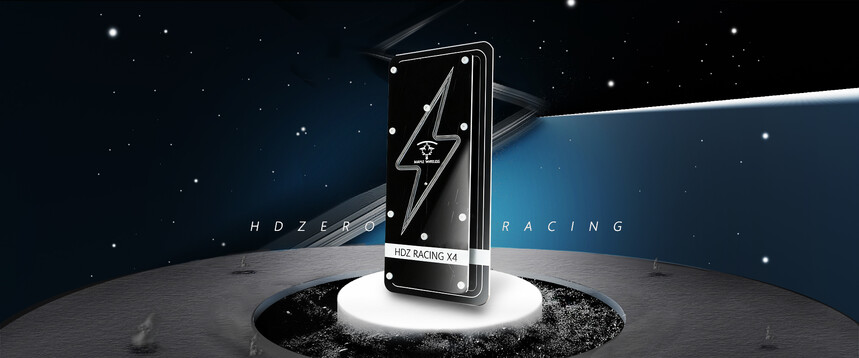
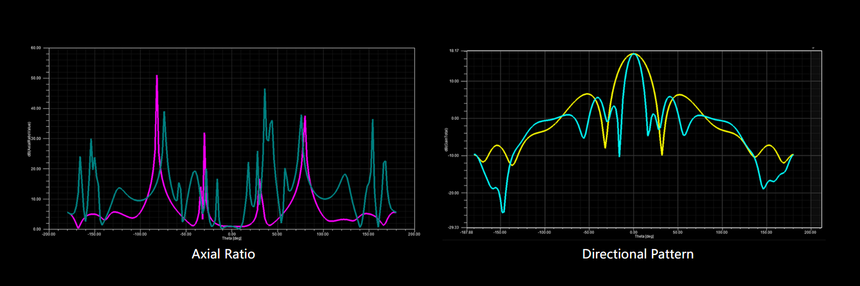
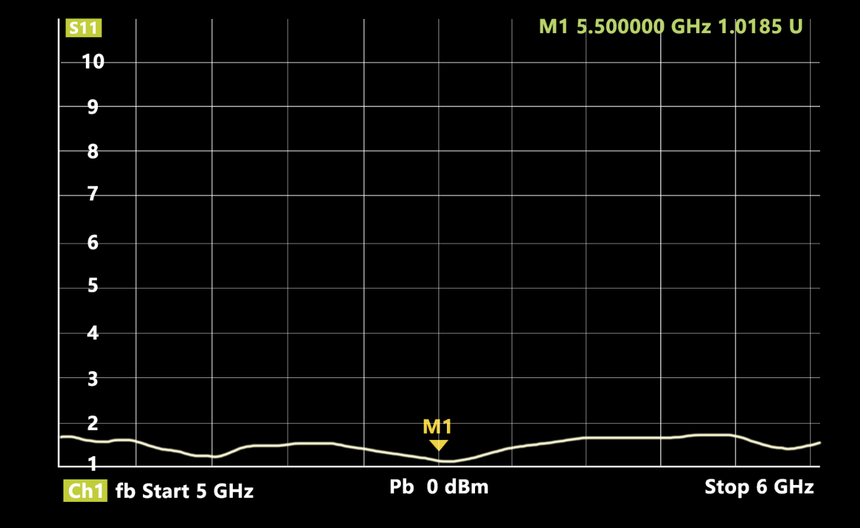
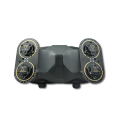
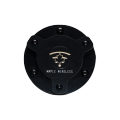
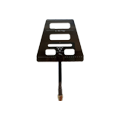
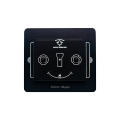
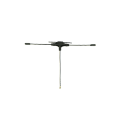
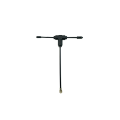
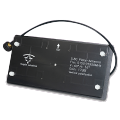
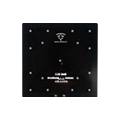
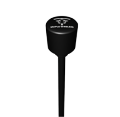
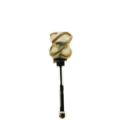
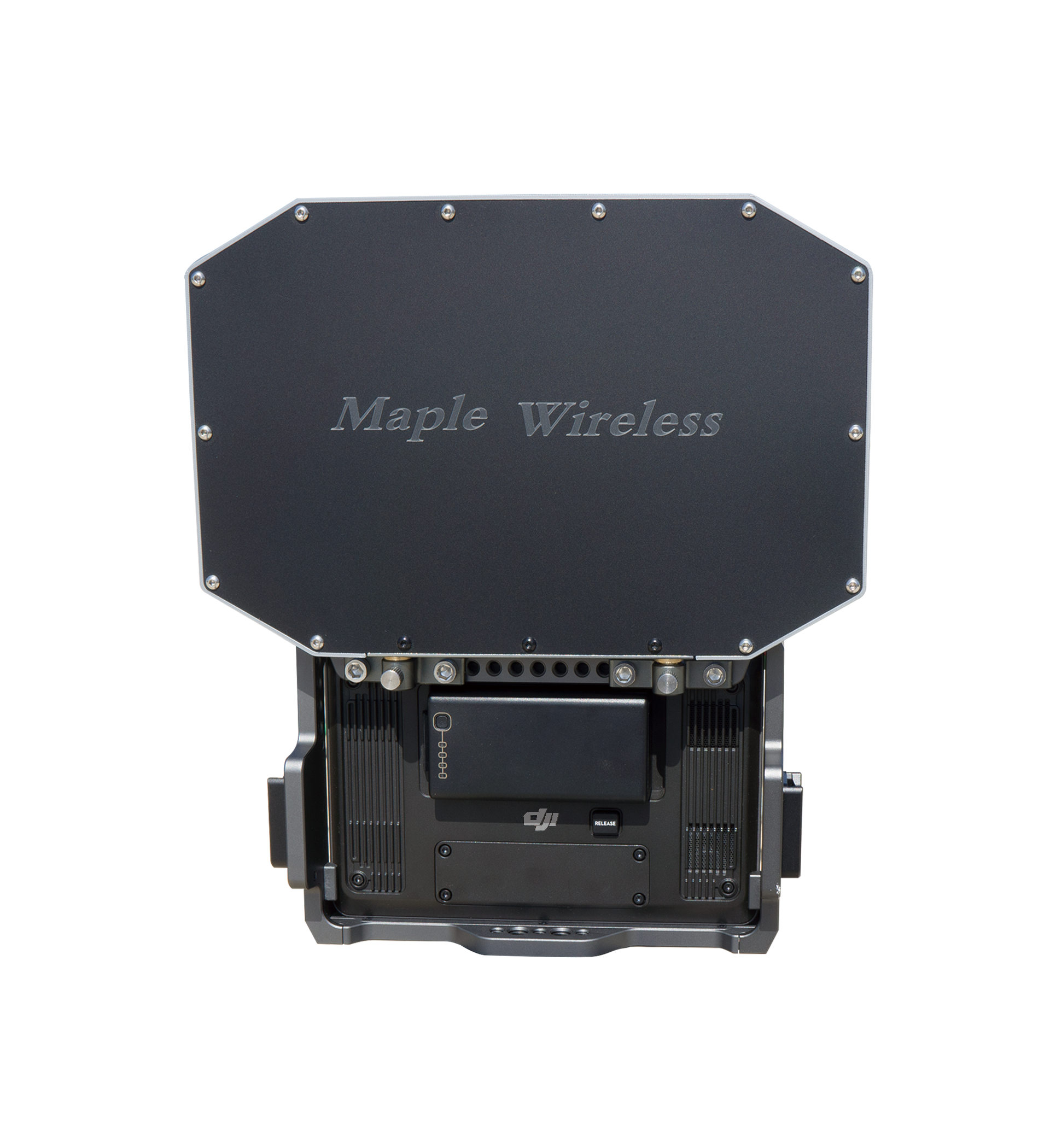
FPV Race Track Guardian — MAPLE RACING X4Time:2026-03-31 FPV Race Track Guardian — MAPLE RACING X4 The MAPLE Racing X4 antenna is a dedicated "guardian" tailor-made for HD ZERO goggles. It provides pilots with a significant signal boost and competitive edge in race events. During testing, potential in-race emergencies were taken into account, with repeated adjustments conducted in extremely complex environments. By continuously challenging the product’s limits at critical thresholds, we have created a powerful, high-performance flagship designed for competitive racing. (Image 1: MAPLE Racing X4 Antenna) (image 1) It delivers strong guarantees in terms of gain, signal clarity, and high anti-interference performance. The Racing X4 demonstrates its superiority in both theoretical parameters and real-world usage scenarios. Frequency: 5–6 GHz Gain: 17 dBi Half-power beamwidth: < 1.5°(Parameter test chart attached) (Image 2)
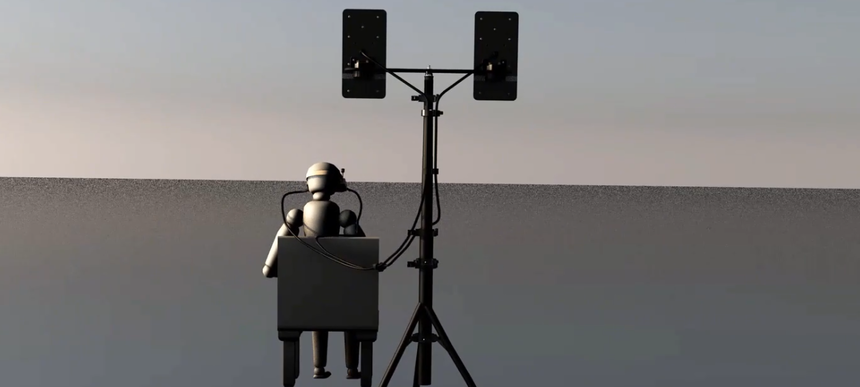
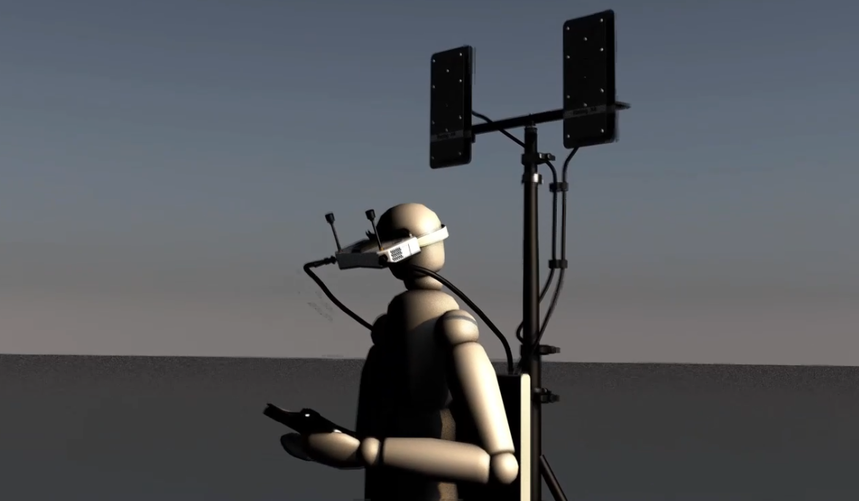
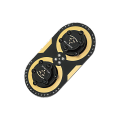
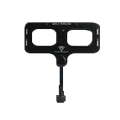
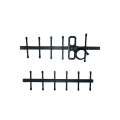
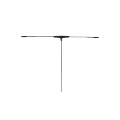
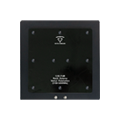
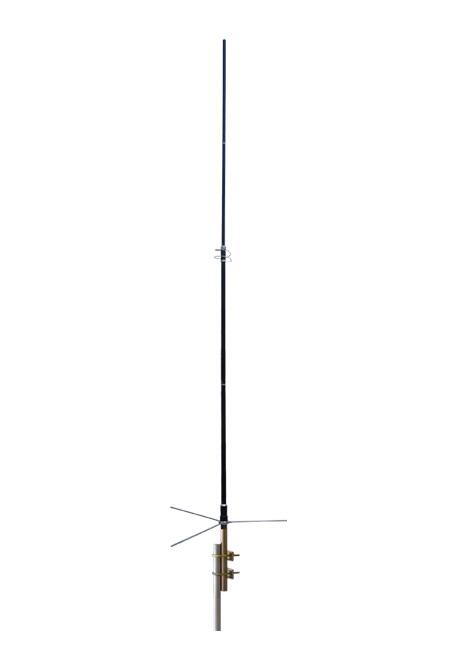
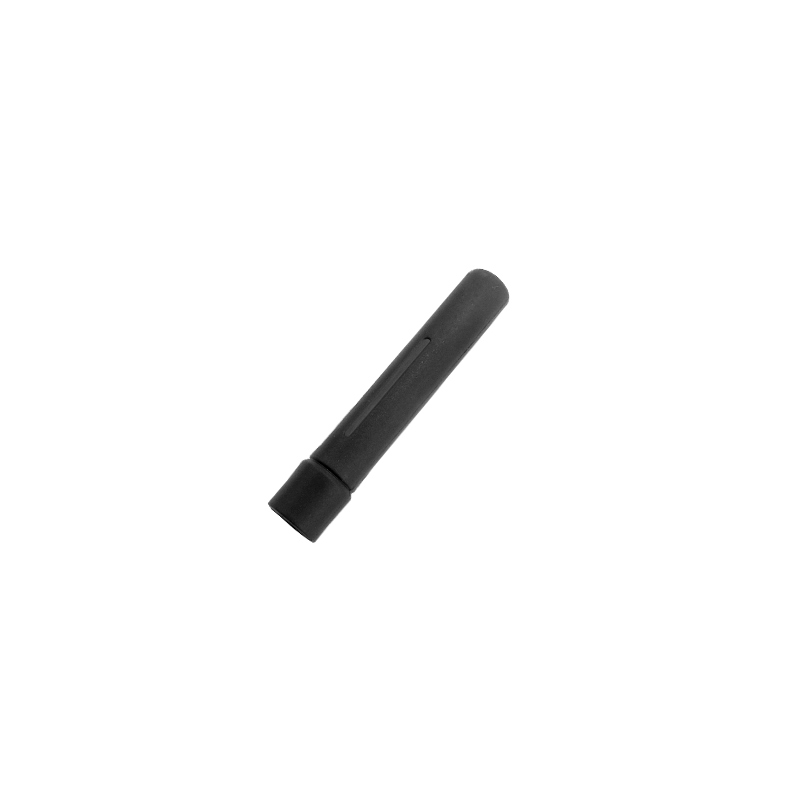
(Image 3) The Racing X4 delivers exceptional stability and long-range penetration. It maintains low latency and high-throughput transmission even in complex electromagnetic environments. Paired with a dedicated tuning base, it enables instant installation and calibration, significantly improving on-track deployment efficiency. Having sponsored several renowned domestic racing clubs, we have received consistent feedback from professional pilots: the antenna performs exceptionally well in high-speed maneuvers and dense formation flights. As such, it is highly likely to become the preferred choice for competitive drone racing in the future. There are two methods to achieve the optimal transmit and receive signal angles during antenna operation: When the antenna is mounted on a tripod at the race track, point it directly forward. Adjust each of the two antennas to an angle of approximately 35°. The operator may sit to the left or front-left of the antenna to ensure maximum performance. At critical locations with the weakest signal around the course, aim the antennas toward these low-signal areas. The two methods can be freely adjusted according to actual environmental conditions.
(Image 4) (Image 5) |