






EVENTS
|
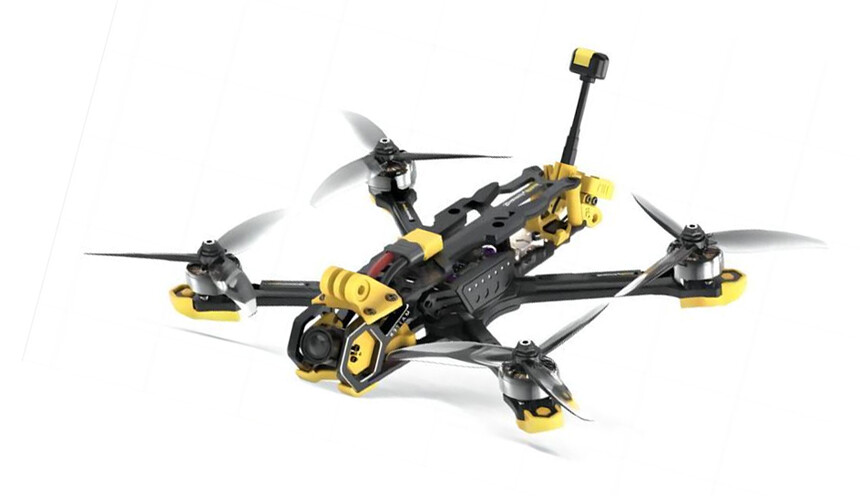
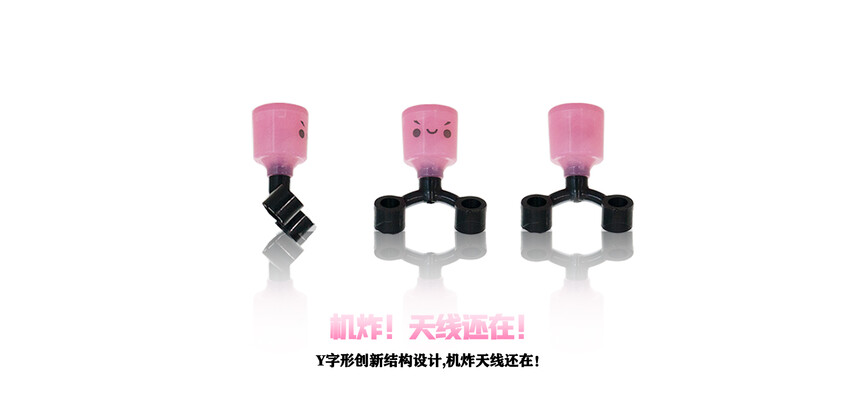
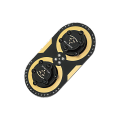
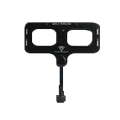
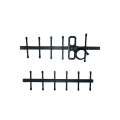
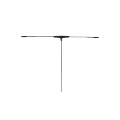
FPV Racing Y-Antenna - Stickman Omnidirectional AntennaTime:2026-05-05 FPV Racing Y-Antenna - Stickman Omnidirectional Antenna Racing drones have always distinguished themselves from regular drones by their high-speed maneuverability and extreme flight capabilities. Behind every racing drone takeoff is a professional pilot. Every year, a large number of racing drones crash due to obstacles during high-speed flight. The reasons for this can be traced back to two main factors: 1. Signal (Primary) If the camera is the eyes of the racing drone, then the signal is our nervous system. The captured images are converted and transmitted to our receiver (eyeglass antenna or screen display), becoming a real-time image that is immediately transmitted to the pilot for a timely reaction. Therefore, improper use of a suitable antenna may reduce the racing drone's maximum range and flight characteristics, affecting the pilot's judgment during flight. More seriously, it may lead to signal loss; we would have no idea whether the drone would crash, go missing, or continue flying. Therefore, antennas are available on the market for various application scenarios. 2. Y-shaped antenna installation on aircraft antennas: Compared to the former, the latter is limited by aircraft type. Generally, slightly larger racing drones mount their antennas directly on the tail, flying at an angle of approximately 45-60°, with antenna lengths varying from 14cm, 12cm, to 7.4cm (Figure 1). Even the smallest antenna installed on these drones can encounter problems such as propeller flapping and antenna collisions during flight. Therefore, the Y-shaped structure design cleverly solves these problems. Compared to Maple Leaf's Y-shaped antennas, which were available much earlier, Maple Leaf spent considerable time prototyping, screening, and redesigning the Y-shape to avoid infringing on other companies' structural patents. Finally, they developed their own design language. (See Figure (2))
(Figure 1 sourced from the internet; please contact us for removal if it infringes on your rights.)
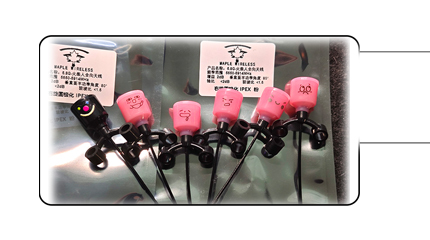
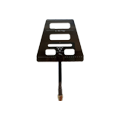
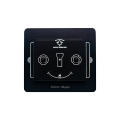
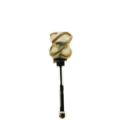
(Image 2 ) The creation of this product stemmed from suggestions from Maple Leaf users and certain market demands. The initial design aimed to create a differentiated, personalized, and youthful product with a high-quality, aesthetically pleasing appearance. After designing the lower limb structure (Figure 3), the inspiration came from stick figure doodles in textbooks during school days—abstract lines conveying vivid expressions. This evoked fond memories of youth. Now, those lines have become a physical entity, and those expressions a performance, racing on an aerial track. (视频1) The unique Y-shaped design structure, tested and proven, shows a significant advantage over similar products on the market, making it more resistant to explosions and more practical. The light pink transparent shell, coupled with its expressive face, makes it look like a tiny, exposed pilot when mounted on the device. Each stick figure antenna can be customized, allowing users to give their stick figures a new look according to their preferences, as shown in Figure 4.
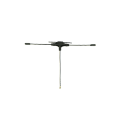
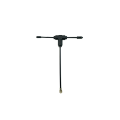
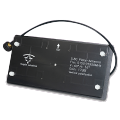
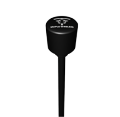
(Image 3 ) (Image 4 ) The appearance is appealing, but the performance is equally impressive. The circularly polarized omnidirectional antenna (Figure 5) exhibits reduced snowflake pattern during extreme distance turns, and its streamlined design minimizes wind resistance. (Video 2)
(Image 5) |